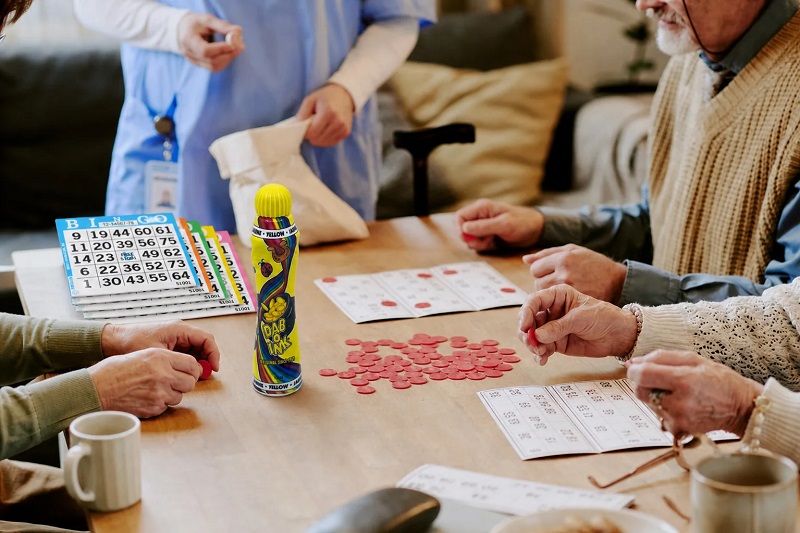
Walk through the double doors of a commercial bingo hall or community lodge on a Friday night, and the sensory rush is immediate. You hear the steady hum of chatter suddenly dropping into focused silence, the sharp clack of acrylic balls swirling in a mechanical blower, and the rhythmic thumping of ink daubers meeting newsprint. For outsiders who view the game as a sleepy pastime confined to retirement communities, the sheer velocity and energy of a live session can feel surprisingly intense.
Bingo remains one of the most accessible wagering games in North America, requiring no complex mathematical strategy, card counting, or poker-faced bluffing. Yet walking into your first session without understanding the structure, unspoken protocols, and pacing can leave you flustered before the first round wraps up. Approaching the game with a clear breakdown of how the cards function, how callers operate, and how to manage your table space turns an intimidating room into an entertaining, social night out.
Decoding the Card: The 75-Ball Framework
In American bingo halls, the standard format is the 75-ball game played on a five-by-five grid. Each column is crowned with a letter spelling out B-I-N-G-O, and each letter governs a strictly defined bracket of fifteen numbers:
-
B contains numbers 1 through 15
-
I contains numbers 16 through 30
-
N contains numbers 31 through 45, anchored by an automatic Free Space in the exact center
-
G contains numbers 46 through 60
-
O contains numbers 61 through 75
Understanding these column brackets is the single best tool for a beginner. When the caller announces “G-52,” you should never waste valuable seconds scanning the entire twenty-four-square grid. Your eyes should snap instantly to the fourth column. Because balls are drawn roughly every ten to fifteen seconds, scanning by column rather than searching at random keeps you on pace with the caller and prevents panic when numbers come out in rapid succession.
Beyond the Straight Line: Learning the Patterns
Newcomers often assume every game is won by completing a simple horizontal, vertical, or diagonal line. While standard lines are common during warm-up rounds, modern bingo sessions incorporate a shifting array of winning patterns that change from game to game.
Before play begins, the hall provides a program sheet detailing every round on the schedule alongside an image of the required pattern. Common variations include:
-
Four Corners: Marking the four outer corner squares of the grid.
-
Postage Stamp: Filling a two-by-two block of four numbers in a specific corner of the card.
-
Letters and Shapes: Forming clear geometric outlines such as a picture frame, a plus sign, an “X”, or an aircraft shape.
-
Coverall or Blackout: Daubing every single square on the card, which typically serves as the high-stakes finale of the session with the largest cash prize.
Keep your game program flat on the table directly beside your cards. Glance at the pattern graphic before the caller draws the first ball of each game. Marking numbers toward a straight line when the room is playing for an outside picture frame is an easy mistake that costs you time and mental energy.
Daubers, Paper Packs, and Electronic Consoles
When you approach the admission counter, known as the buy-in desk, you will face choices regarding how you want to play.
Traditional play uses paper booklets, often referred to as session packs. Each page contains a tear-away sheet of multiple grids printed on lightweight newsprint, bound in color-coded sequence to match the caller’s schedule. To play paper, you need an ink dauber: a plastic bottle filled with translucent, fast-drying ink topped with a sponge applicator. Instead of scribbling with a pen, a firm tap stamps a clean circle of color directly over the called number, leaving the digit visible beneath.
Most halls also offer electronic bingo terminals. These handheld tablets or desktop touchscreens track dozens of cards automatically. As numbers are pulled, the electronic unit marks your grids instantly, sorts your best cards to the top of the display, and alerts you when you are one square away from a payout.
While electronic units dramatically increase your card volume without extra physical effort, leaning solely on a screen can strip away the tactile thrill that makes live bingo engaging. For your first session, consider playing a modest paper pack of three to six faces alongside an inexpensive electronic package. This hybrid approach lets you experience the fun of physical daubing while the electronic console serves as a safety net.
Essential Hall Etiquette and the Cardinal Rule of Calling Out
Bingo halls are friendly environments, but they run on strict operational rhythms. Observing basic table etiquette keeps the games smooth and respectful for everyone around you.
The most critical etiquette rule centers on noise. While casual chatter is welcome between games, total quiet descends the moment the caller steps up to the microphone. Background whisperers disrupt neighbors trying to catch every letter-number combination. If you miss a number, do not yell out to ask what was called; glance at the lighted electronic display boards mounted along the perimeter walls, which illuminate every drawn number in real time.
When luck strikes and your pattern is complete, you must adhere to the cardinal rule of the hall: call out your bingo immediately on the number that completed it.
Shout “Bingo!” in a clear, loud voice that reaches the front stage. Do not wait for the caller to pick up the next ball. If the caller begins announcing the next letter and number combination before you declare your win, your card may be ruled invalid under strict house rules. Once you shout, the caller will pause the game while a floor worker approaches your table to read back your card identification number over the public address system for verification.
Managing Pacing and Avoiding the Card Trap
The most common mistake first-time players make is buying too many paper cards out of ambition. It is easy to watch an experienced regular comfortably manage a desk covered in twenty-four paper faces, snapping their wrists across sheets with effortless precision.
Attempting to match that volume on your first night is a recipe for frustration. When you fall behind on one call, the delay snowballs, forcing you to rush through subsequent numbers and inevitably miss winning marks.
Start small. A six-card paper sheet provides ample engagement without overwhelming your vision. Bring tape or glue sticks to secure your paper sheets to the laminate table so they do not slide around under your dauber. Set your drinks in designated cup holders away from the cards to avoid ink bleeds, and give yourself permission to treat the session as light entertainment rather than a high-pressure race.
Bingo endures because it blends the straightforward thrill of a draw game with genuine community warmth. By understanding card layouts, keeping an eye on the schedule, and listening closely to the caller’s cadence, you can sit down at any hall with confidence and enjoy every spin of the blower.